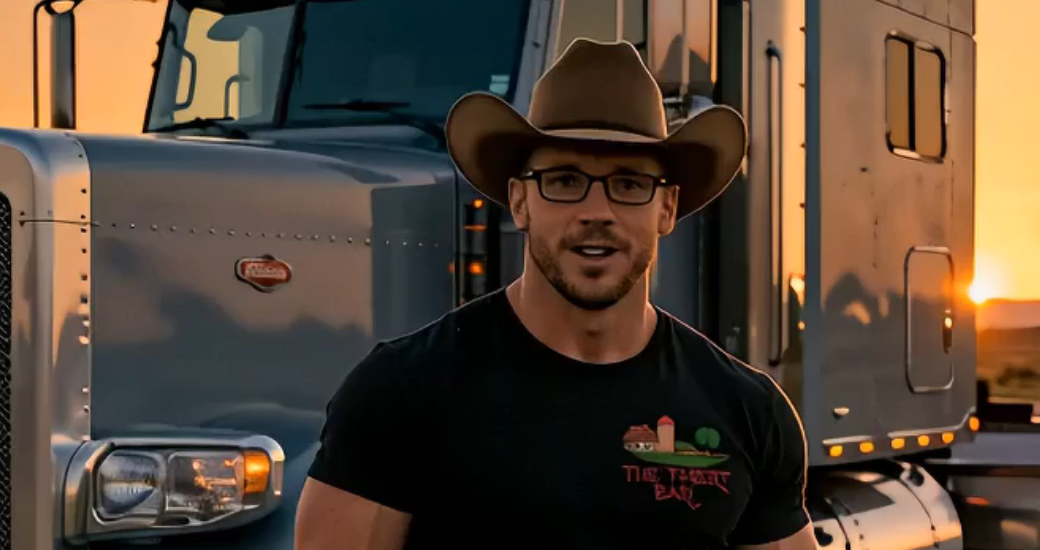
A trucker graphic tee does two jobs at once. It is workwear that has to survive long days in a cab and a stop-and-go schedule, and it is a small billboard for the person wearing it. The design says something about the job, the rig, or the sense of humor that got someone into trucking in the first place. That combination is why the category keeps growing, and why so many shirts look similar on a screen but hold up very differently after a few dozen washes.
What follows is a practical look at the category: the design themes that dominate it, fabric and construction details worth checking, fit and sizing realities, color choices, and how to build a rotation that holds up to real road conditions.
What Makes a Trucker Graphic Tee Different From a Regular Graphic Tee
Most graphic tees are built for a few hours of casual wear. Trucker tees get asked to do considerably more. They go through loading docks, fuel stops, and long stretches behind the wheel, then get washed in whatever machine is available at the end of the day. Fit and fabric that feel fine on a couch can turn uncomfortable after four hours in a driver’s seat.
The subject matter is specific, too. Shops that serve this niche build collections around semi trucks, classic rigs, road humor, and slogans about driving skill and career miles rather than general novelty prints. A truck stop with a long rack of driver shirts is not stocking random graphics. It is stocking shirts that a driver will actually recognize and want to wear.
The Design Language of the Road
Trucker graphic tee designs cluster around a recognizable set of themes. Knowing them makes it easier to sort through a large catalog and find something that fits a specific personality or rig.
Big rig and 18-wheeler artwork, ranging from detailed illustrations to cartoon semis with exaggerated proportions
Classic truck body styles, including cabovers and long-nose models such as Peterbilt
Chrome, smoke, and highway imagery built around the look of a polished truck
Edgier artwork that pairs rig graphics with skull designs or dark, high-contrast printing
Pride slogans that celebrate driving skill and career miles in a serious or straightforward tone
Humorous and culture-reference designs, including nods to trucking characters that only people in the industry catch immediately
For many buyers, the choice comes down to tone. A proud, straightforward design works well as a gift for a veteran driver or a retirement sendoff. A joke shirt is easier to wear on a Friday. Bold, high-contrast artwork, such as a large orange big rig graphic on a gray shirt, reads clearly from a distance and holds visual impact after repeated washing better than thin, low-contrast prints.

Fabric and Construction: What to Read Before You Buy
Product descriptions for trucker tees usually list a few details that matter more than the artwork. The first is fiber content. One common spec across the category is 100% preshrunk cotton with a classic fit, and that combination is worth prioritizing. Preshrunk cotton reduces the odds that a shirt comes out of a hot laundromat dryer noticeably smaller than it went in, which matters when you are replacing a wardrobe from the road rather than at home.
Weight is the second detail. Heavier knits resist show-through and hold their shape through repeated wear, while lighter knits breathe better in summer heat and are easier to layer. If a listing does not state fabric weight or fiber content, it is reasonable to ask before ordering.
Construction is the third. Look for double-stitched hems, a neckline that will not stretch out after a month of pullovers, and a print method that will not crack across the chest. Care instructions belong in the same check. Following them is the simplest way to keep both the print and the fit intact.
When the Shirt Is Really a Work Shirt
Some drivers need a uniform look rather than a graphic. Workwear catalogs treat transportation as its own category and list polos and crew shirts built for professionalism and brand unity, with size runs that extend from XS up to 6XL across men’s and women’s cuts and colors including black, grey, blue, and navy. A graphics-first wardrobe pairs well with one or two of those plain options for customer-facing days, scale inspections, or anything where a printed slogan sends the wrong signal.
Fit and Sizing Across the Cab
Size availability is the most common disappointment in this category. Graphic tee shops often stock a narrower range, while workwear lines run much wider, as the XS to 6XL spans on transportation work shirts show. If you wear an extended size, check the run before you fall in love with a design.
Cut matters as much as size. A classic fit leaves room through the shoulders and midsection, which is more comfortable in a driving position than a slim cut that pulls when you reach for the wheel or climb out of the cab. Shirt length is the other quiet problem. A tee that rides up when you are seated is a tee you will stop wearing.
If a shop does not publish a size chart, measure a shirt you already like across the chest and compare that number to the listing. Do not assume a graphic tee fits the same as a work shirt from a different brand, because the two are drafted differently.
Colors That Survive Real Road Conditions
Black, grey, blue, and navy dominate driver apparel for practical reasons. Dark bases hide grease, dust, and the general wear of a workday far better than white or pastel shirts, and they give a bold graphic the contrast it needs. A gray shirt with a large orange big rig print is a good example of a combination that stays readable without being loud.
Brights have their place, particularly for drivers who want to be visible around a dock at night or who simply prefer a louder look. The tradeoff is that light colors show grime quickly, so a rotation that mixes darks with one or two brighter shirts tends to be more useful than a wardrobe built entirely around either end of the spectrum.

How Many Trucker Tees Do You Actually Need
A workable rotation usually means four to six graphic tees for a week-long run, plus one plain shirt kept clean for a stop where appearance counts. That count assumes access to laundry at least once a week. For longer stretches away from home, add two more shirts rather than planning to rewear.
Start with two dark, versatile designs that work with anything.
Add one statement shirt with a large back or chest graphic.
Include one joke or culture-reference tee for off-duty days.
Keep one plain shirt for customer-facing stops.
Replace any shirt whose print has cracked or whose neckline has stretched.
Buying in small batches also lets you test a shop’s sizing before committing to a full drawer of shirts from a brand you have not worn.
Buying for Someone Else
Trucker graphic tees are a common gift for drivers, and the failure mode is always sizing. If you do not know the wearer’s measurements, choose a shop with a published size chart and a clear return policy, or lean toward a design the person would pick themselves rather than one you find funny. Big rig apparel works well for this because it lets the wearer show off hobbies, interests, and memories tied to the job, not just a slogan.

A Quick Checklist Before You Checkout
Check | What to Look For | Why It Matters |
|---|---|---|
Fabric | Fiber content, preshrunk cotton | Keeps fit predictable after washing |
Cut | Classic fit versus slim | Comfort while seated and climbing in and out |
Size range | How far the run extends | Not every shop stocks the same spread |
Design | Rig style, slogan, artwork tone | Matches the wearer’s own trucking story |
Color | Black, grey, blue, navy versus brights | Hides road grime and sets graphic contrast |
Care | Wash and dry instructions | Protects the print and the fit |
Returns | Published policy | Essential for gifts and first-time orders |
Shops in this space, from niche labels like Trucker Teez to larger workwear and truck parts retailers, differ widely on sizing, shipping, and returns. Confirm those details on the store’s own pages before ordering, since policies change and vary by seller.
Frequently Asked Questions
What should I look for in a trucker graphic tee?
Start with fiber content and cut. A 100% preshrunk cotton shirt in a classic fit is a reliable baseline, because it resists shrinkage and stays comfortable in a driving position. Then check the size run, the print quality, and the care instructions. Design is the fun part, but fabric and fit decide whether the shirt actually gets worn.
Do trucker graphic tees run true to size?
Not consistently. Graphic tee shops and workwear brands draft their patterns differently, so a large from one seller may fit like a medium from another. Measure a shirt you already own across the chest and compare it to the listing. If no size chart is published, ask the seller before ordering rather than guessing.
Why does preshrunk cotton matter for life on the road?
Laundry on the road is often hot and fast. Preshrunk cotton has already been through a shrinkage process, so a shirt is less likely to come out of a hot dryer a size smaller than it went in. That keeps a rotation predictable and reduces the need to replace shirts mid-run.
Can I wear a graphic tee as a driving work shirt?
It depends on the job. Many drivers wear graphic tees on the road and keep a plain polo or crew shirt for customer-facing stops, dock check-ins, and anything where a printed slogan sends the wrong message. Workwear catalogs treat transportation shirts as their own category for exactly that reason.
Where can I find good big rig tee designs?
Trucker Teez at thetshirtbarn.com, truck stops, truck parts retailers, and dedicated graphic tee shops all carry them, and design quality varies widely between sellers. Look at the artwork closely, confirm the fabric and size run, and check the return policy. A design you like is only worth buying if the shirt underneath it holds up.