A graphic tee can cost a few dollars and still outlast a designer one, and it can cost a lot more and fall apart by the third wash. Price is a weak predictor of durability. What actually decides whether a tee survives is the fabric knit, the weight of the cloth, and how the seams were sewn. Those three things are visible before you ever put the shirt in a washing machine. You just have to know where to look and what your fingers are feeling for.
This guide walks through the checks in the order they matter: fabric weight first, then stitching, then print and trim details, then the care habits that stretch a budget tee from one season to several.
Why Cheap Graphic Tees Fail
Most low-cost tees fail for one of four reasons. The knit is thin enough that light passes through it, so the shirt stretches out at the elbows and hem. The neckline is cut from the same fabric as the body instead of a ribbed band, so it ripples and curls after a few washes. The seams are single stitched with weak thread, so a sleeve or side seam pops open under normal wear. Or the print is thick and rubbery and cracks across the chest because the ink was laid on rather than worked into the fibers.
None of those problems are inevitable at a low price. They are choices made to hit a cost target, and they are all detectable in about sixty seconds of handling a shirt. The goal is not to find the cheapest possible tee. It is to find the cheapest tee that was made with enough cloth and enough thread to hold its shape.
Fabric Weight: The Number That Predicts Longevity
Fabric weight is a measure of how much cloth sits in a given area, usually expressed in ounces per square yard or grams per square meter. Higher numbers mean a denser, heavier knit. Two shirts can list the same cotton content and feel completely different because one is knit tightly from heavier yarn and the other is knit loosely from thin yarn. Cotton percentage tells you the fiber. Weight tells you the substance.
Brands do not always publish weight, which is why the printed spec sheet is only half the story. When a listing does include it, compare like with like. A tee described as lightweight slub jersey, for example, is intentionally airy and textured, and it will feel different from a sturdy everyday cotton tee even if the labels sound similar. The word lightweight is a fair warning that the fabric is built for breathability rather than armor.
Use the Light Test and the Squeeze Test
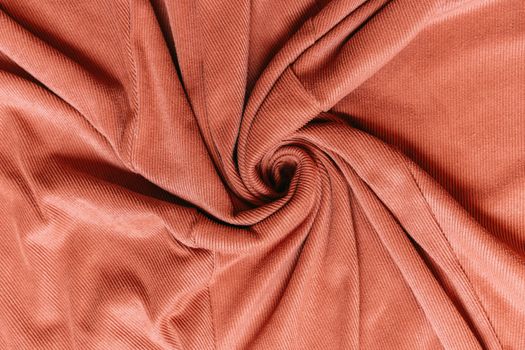
Hold the shirt up to a window or a lamp. If you can clearly read the shape of your hand through a single layer, the knit is thin, and darker prints will likely show through it under bright light. Then gather a fistful of fabric at the side of the shirt and squeeze. Release it. Good cotton springs back to roughly its original shape with only soft wrinkles. Fabric that stays compressed or feels slick and papery will bag out at the hem and seat.
Check the Stretch and Recovery
Pull the body of the shirt gently sideways, then let go. It should snap back without leaving a stretched-out band where your hands were. Then pinch the collar and stretch that instead. A collar that stays stretched has lost its elasticity and will never sit flat again. This single test catches more bad tees than any label reading, and it works in a store aisle, at a market stall, or on a shirt you already own.
Stitching Checks That Separate Good Construction From Fast Construction
Thread and seam construction are where budget tees hide their shortcuts. Flip the shirt inside out and work through the following points. If a shirt passes four out of five, the construction is reasonable for the price.
Hems and Sleeve Openings
Look at the bottom hem and the sleeve cuffs. A double stitched, folded hem is the standard for a durable tee. A single row of stitching with a raw or barely turned edge is the cheapest possible finish and the first thing to unravel. Run a finger along the inside of the hem and check for skipped stitches, uneven spacing, or long loose thread tails that were never trimmed. Consistent, tight spacing along the whole hem is a good sign the factory was not rushing.
Neckline and Shoulder Tape
The collar is the most common failure point on a cheap graphic tee. A proper ribbed collar has visible vertical ridges and a bit of give. A collar cut from the same flat fabric as the body, sometimes called a self-fabric collar, tends to curl and wrinkle permanently. Then check the inside back neck for a strip of fabric or tape running shoulder to shoulder. That tape stops the shoulders from stretching out of shape and is one of the clearest markers of a shirt built to last.
Side Seams
Look down the inside of the body. A shirt with a visible seam running from underarm to hem is cut from separate panels, which allows a slight taper and holds shape better over time. A tube body with no side seams is faster and cheaper to make and relies entirely on the fabric’s own recovery. Tube construction is not automatically bad, but it is a cost shortcut, and it is more likely to twist after washing.
Print Quality and Feel
Press your palm on the graphic. A print that sits on top of the fabric like a thick plastic sheet will crack and peel. A print that feels partially absorbed into the weave, with the fabric texture still faintly visible through it, usually flexes with the shirt instead of fighting it. Also check that the print is centered and level. A crooked graphic is a fit problem rather than a durability problem, but it is a sign of loose quality control on the rest of the shirt.
What Cheap Graphic Tees Actually Cost
Price bands vary widely by retailer and license. The examples below come from current retail listings and are useful for calibration, not as a rule. Always check the live listing for the price, fabric details, and sizing before you buy.
| Price tier | Example from retail listings | What you are usually paying for |
|---|---|---|
| Budget graphic tee | Movie-themed tees listed around $14.99 to $17.98, with a regular price near $19.99 | Simple construction, thinner knit, basic print |
| Mid tier | A licensed character graphic tee listed at $29.90 regular and $19.90 on sale | Licensing fees, better fabric hand, more consistent sizing |
| Premium graphic tee | A regionally themed graphic tee listed at $39.99 | Heavier cloth, specialty washes, smaller runs |
| Kids graphic tee | A kids long sleeve graphic tee listed at S$39 at one retailer | Brand positioning, plus sizing for a narrower market |
Notice how much overlap there is. A sale price can drop a mid-tier shirt into budget territory, and a budget listing can sit right next to a premium one. What separates them is rarely the graphic itself.

Quick Checklist Before You Buy
- Hold the shirt to light. If your hand reads clearly through one layer, expect show-through.
- Squeeze and release a fistful of fabric. It should spring back, not stay crushed.
- Stretch the collar and let go. It must recover flat.
- Flip it inside out. Look for double stitched hems and a shoulder-to-shoulder tape.
- Check for side seams and even stitch spacing.
- Press the print. Soft and slightly absorbed beats thick and rubbery.
- Tug each seam lightly, then listen for threads snapping. That sound is your answer.
Care Habits That Keep Affordable Tees Alive
Construction gets a shirt to your door. Care keeps it there. Wash graphic tees inside out in cold water on a gentler cycle, which reduces abrasion on the print and limits shrinkage. Skip the dryer when you can, or use low heat, since heat is what shrinks cotton and sets cracks into printed graphics. Hang or lay flat to dry.
Never iron directly on a graphic. If the shirt needs pressing, turn it inside out or place a cloth between the iron and the print. Avoid fabric softener on cotton tees, since it coats the fibers and can dull prints over time. Folding rather than hanging knit tees also prevents the shoulders from stretching out on a hanger, which is one of the quiet ways a well-made shirt loses its shape.
Where Affordable Graphic Tees Fit in a Wardrobe
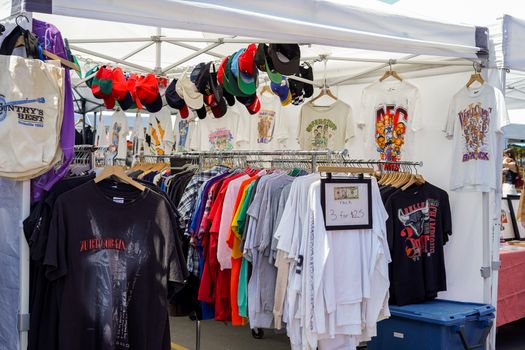
House-brand and small-label tees are often where the value sits. A retailer selling its own graphics, the way The T-Shirt Barn does through labels like Axtacy Apparel, The Cure to Boredom, Good English Clothing, and Trucker Teez, skips licensing fees and third-party markup. That money can go into cloth and stitching instead, or simply into a lower price. The same is true of niche designs built around hobbies, road life, pet rescue, or self-expression, which do not carry the same brand premium as mass-market fashion graphics.
Combine that with the checks above and a cheap graphic tee becomes a reasonable bet rather than a gamble. Buy two or three that pass the light, squeeze, and seam tests instead of five that fail them. You will spend less over a year and end up with shirts you still want to wear.
Frequently Asked Questions
Does a higher price guarantee a better graphic tee?
No. Retail listings show meaningful overlap between tiers, with sale prices pushing mid-range shirts into budget territory and some simple tees priced well above average. Price reflects licensing, branding, and retail margin as much as build quality. Judge the fabric weight and the seams in your hands, and treat the price tag as one signal rather than the deciding one.
What fabric weight should I look for in a cheap graphic tee?
Look for consistency rather than a magic number. Heavier cloth in the same category generally means a denser knit that resists show-through and holds its shape. If the listing does not state a weight, use the light test and the squeeze test instead, and check the fabric description for words like lightweight, which signal an airy, thinner knit.
Is a ribbed collar really better than a plain one?
For durability, yes. Ribbed collars have vertical ridges and built-in stretch, so they recover after being pulled over your head. Collars cut from the same flat fabric as the body tend to curl and wrinkle permanently. Stretch the collar before buying and watch whether it snaps back flat. That single check predicts a lot about the rest of the shirt.
How long should a cheap graphic tee last?
With sound construction and cold-water washing, a budget tee can stay wearable for years of regular rotation. Tees usually fail first at the collar, the hems, or the print rather than wearing thin everywhere at once. Washing inside out and skipping high heat in the dryer are the two habits that extend the life of a graphic tee the most.
Do side seams matter on a t-shirt?
They are a useful signal. Side-seamed shirts are cut from panels, which allows a slight taper and helps the body keep its shape. Tube-knit shirts without side seams are faster and cheaper to produce and rely entirely on the fabric’s recovery, so they are more prone to twisting after washing. Neither is automatically bad, but the difference is worth noticing.